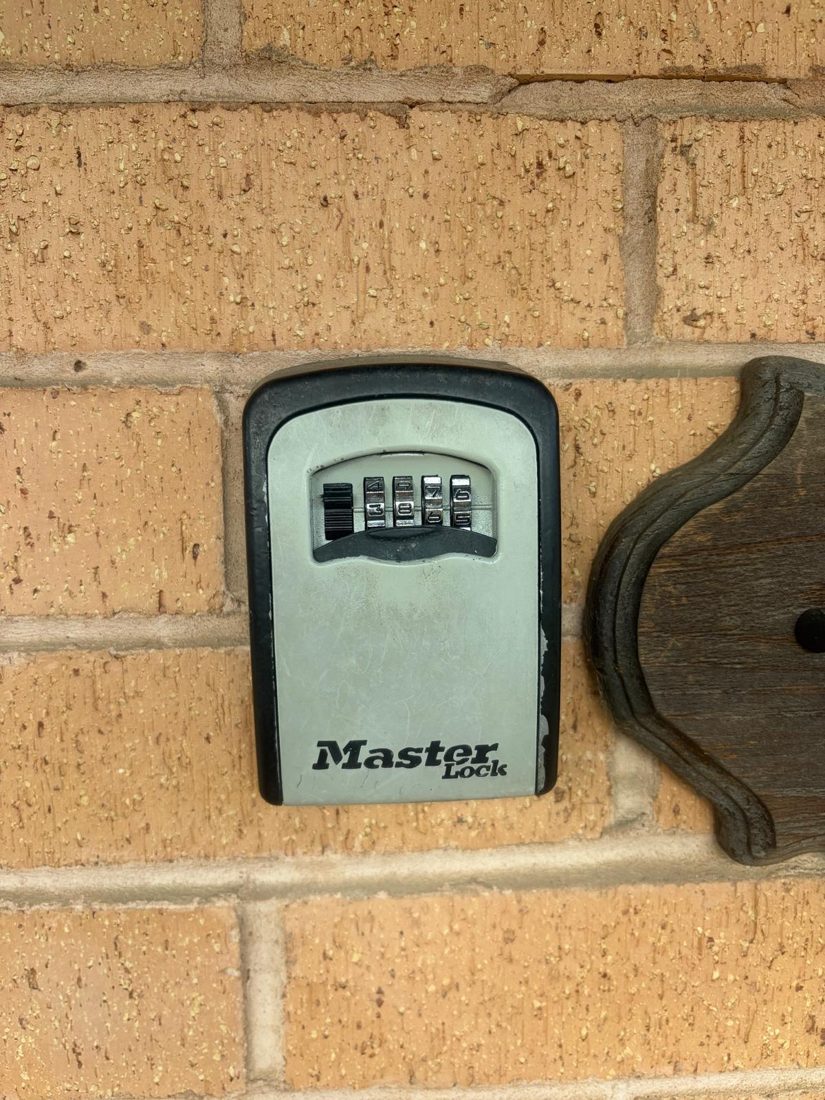
A key safe is a small, strong metal box, fixed to an outside wall, that holds a door key behind a mechanical combination code. There is no battery and no electronics — you set a code, share it only with the people you trust, and they can let themselves in when you cannot be there to open the door. It is the simplest reliable way to give a carer, a family member, a cleaner or a holiday-let guest access to a property, and where it earns its keep is exactly where an ordinary spare key falls down: no key is left under a mat or a plant pot, no key is handed round and lost track of, and the code can be changed the moment someone no longer needs access.
Who key safes are for
The single biggest use is care access. When an elderly or less mobile person has carers or home helps visiting — often several different people across a week, sometimes arranged through a care provider — a key safe lets each of them in with a code, without the resident having to get to the door and without a door being left on the latch. Local authorities and care agencies frequently ask for one to be fitted before a care package starts. Beyond care, the same box solves everyday problems for a lot of households:
- Families — children home from school, or relatives who need occasional access, without cutting extra keys that go astray.
- Holiday lets and Airbnb — self check-in for guests, with the code changed between stays so no old code keeps working.
- Tradespeople and cleaners — controlled, time-limited access you can revoke by simply changing the code.
- Emergency access — a trusted neighbour or family member can get in quickly if something is wrong and you are away.
Are key safes actually secure?
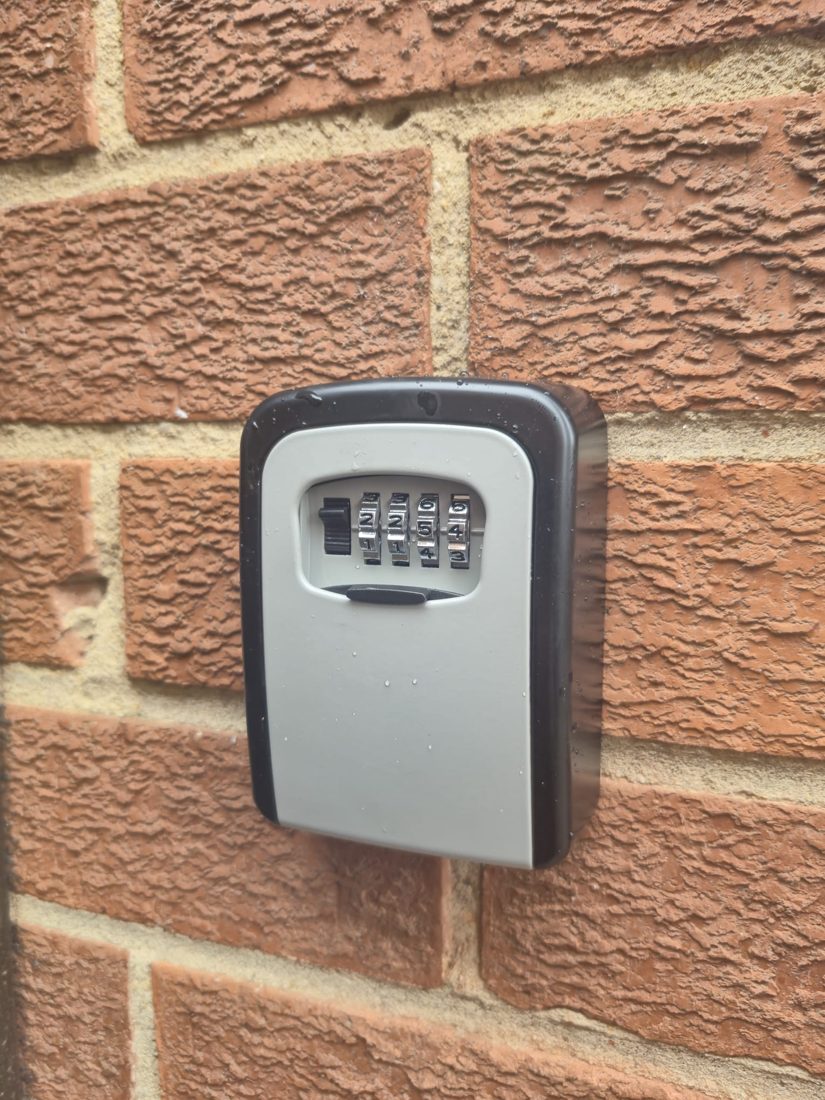
It is a fair question, and we will give you a straight answer rather than a sales pitch: a key safe is only as good as the model you choose and the way it is fitted. A cheap, unrated box screwed loosely to a wall can be levered or snapped off in seconds, and that genuinely does weaken your security. A properly rated safe, correctly anchored into solid masonry, is a completely different proposition — independently attack-tested and, when fitted as intended, rated by the certifying bodies as being as resistant to attack as a domestic front door. The difference between those two outcomes is the model and the installation, which is precisely what we get right.
Police-approved and Secured by Design
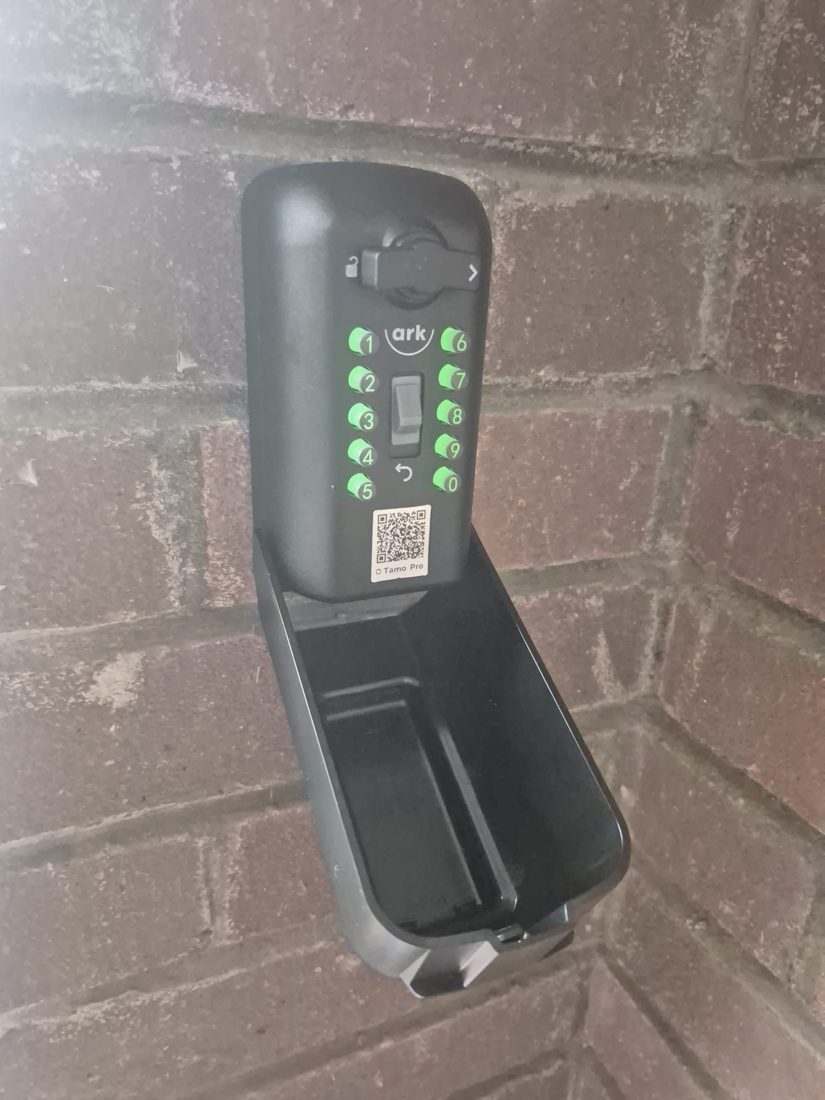
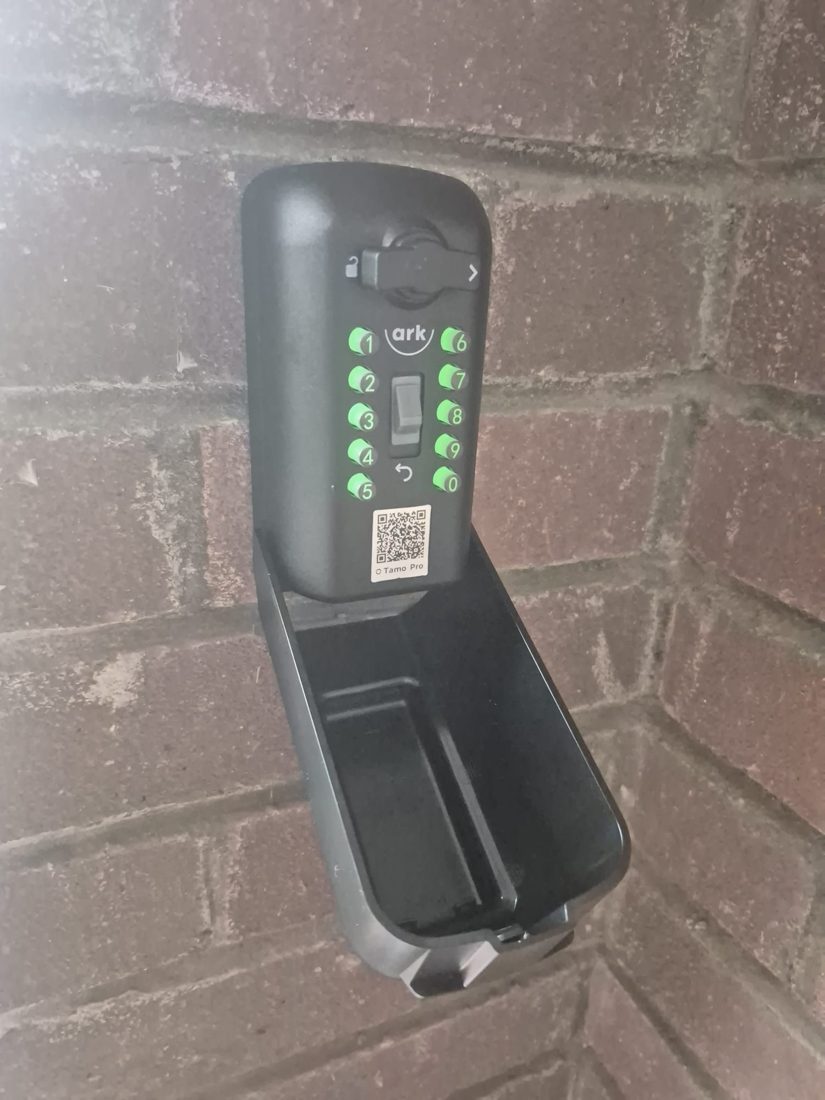
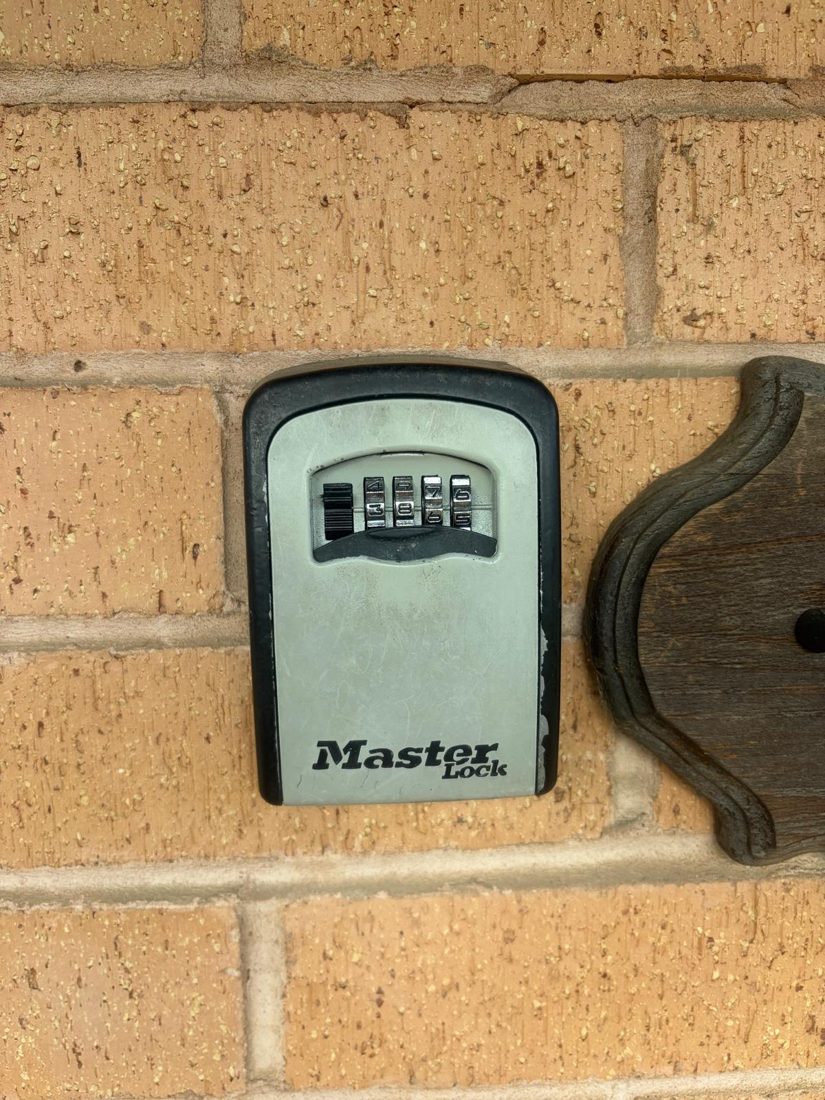
The mark to look for is ‘Police Preferred Specification’, awarded through Secured by Design — the official police initiative that vets security products by independent testing. Approved key safes are tested by the LPCB (Loss Prevention Certification Board) to the LPS 1175 attack standard, where a unit has to withstand a sustained physical attack with tools before it passes. We supply and fit genuine police-approved models from the established makers — the Supra range (the original police-preferred mechanical key safe), Burton, and the high-security ark Tamo — and we will recommend the right one for your wall, your setting and how many keys it needs to hold, rather than fitting whatever happens to be in the van. If you only take one thing from this page: choose a police-approved model, not a supermarket box.
Why professional installation matters
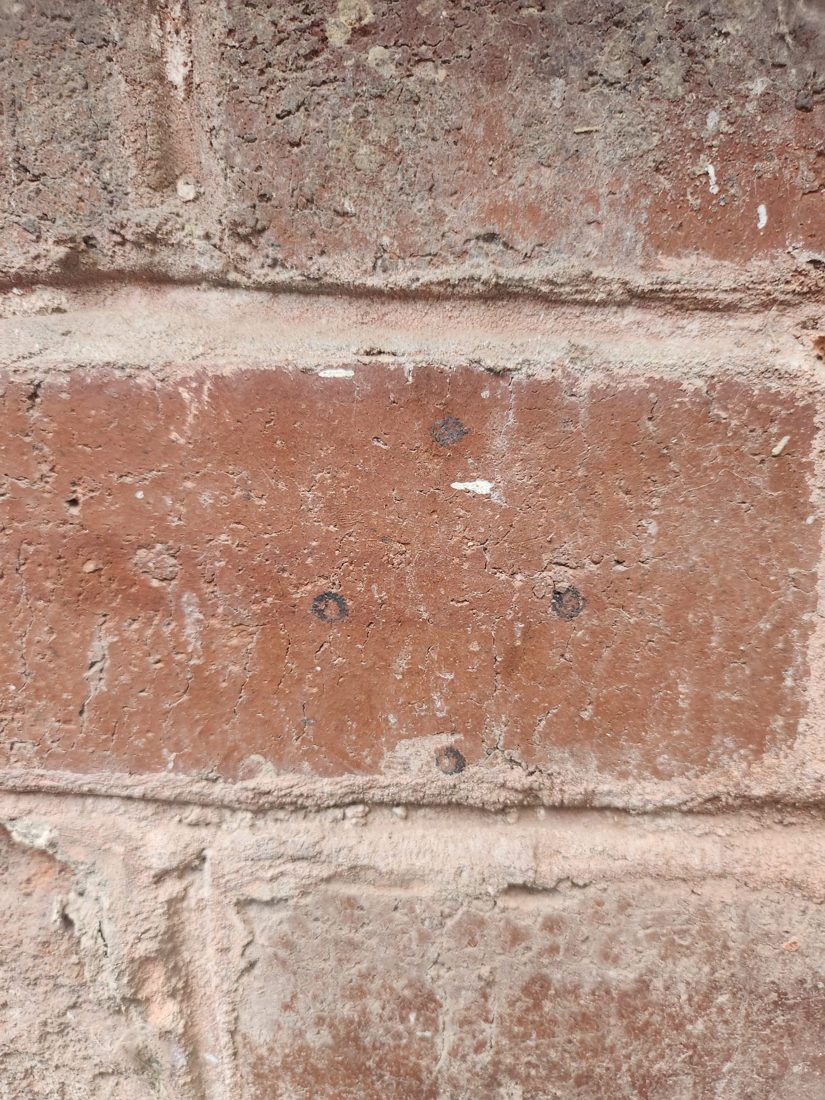
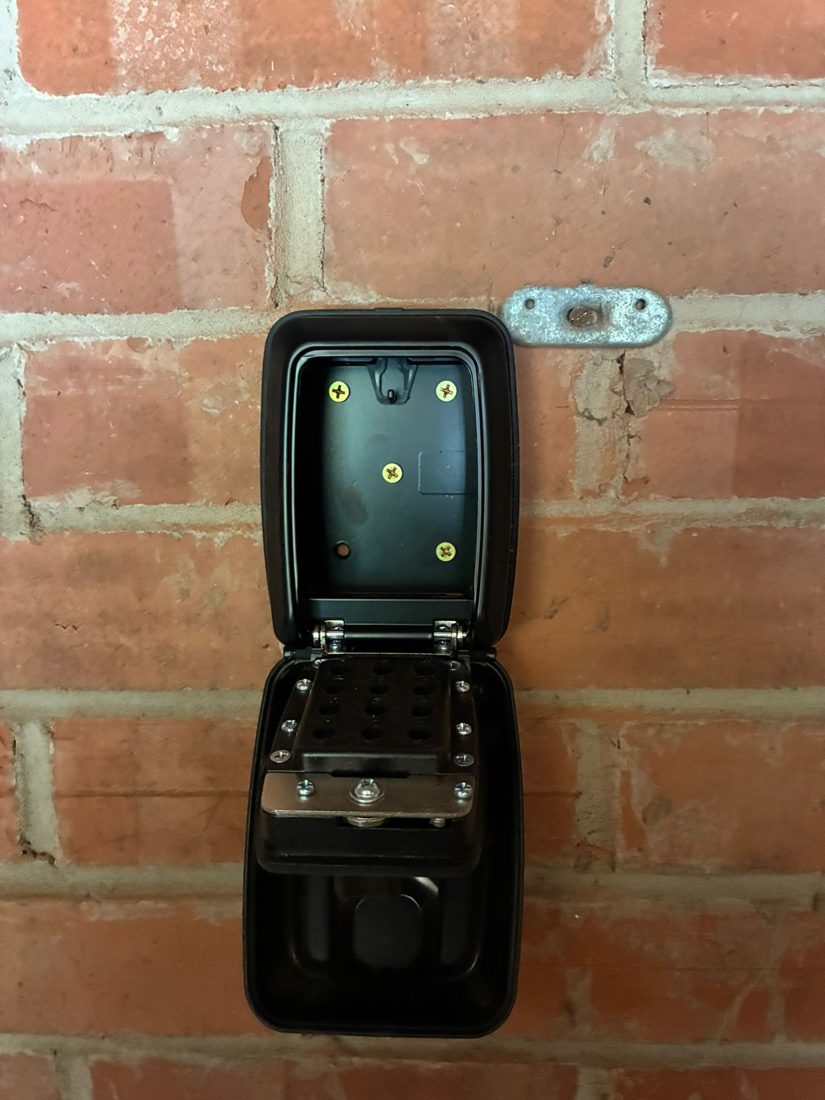
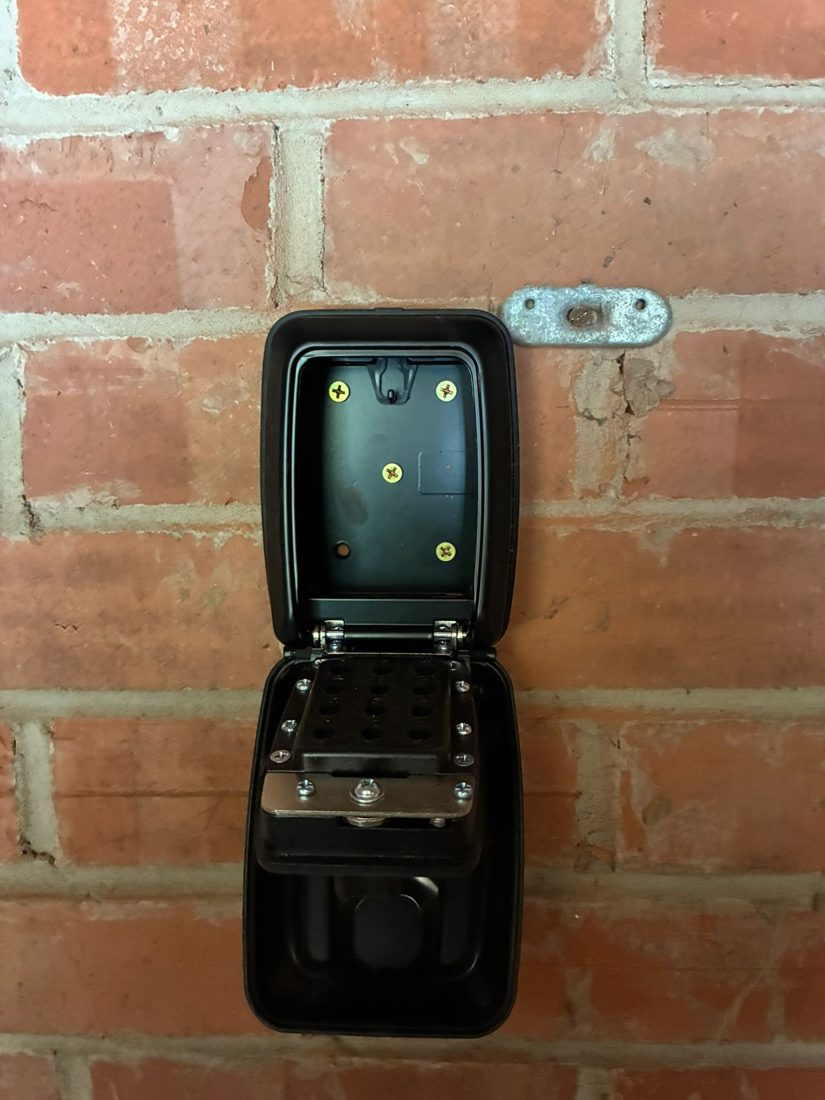
A key safe’s security depends almost entirely on the fixing, and this is where DIY fits and cheap jobs come undone. The certification on the good models is only valid when the safe is anchored into brick or dense concrete using the manufacturer’s specified fixings — not into soft mortar joints, not into rendered blockwork without the right anchors, and not with whatever screws came loose in a drawer. Fit it into the wrong substrate and you both weaken the box and, on some models, void the police accreditation entirely. When we install one we drill into solid masonry, use the correct anchors, site the box discreetly and out of obvious sight but still easy for the intended user to reach, set your code and show you how to change it. It is a quick, tidy, single-visit job done to the standard the rating assumes.
A note on home insurance
Be aware — and we would rather tell you plainly — that key safes and home insurance interact in a way worth checking. Many insurers require evidence of forced entry to pay out on a burglary claim, and views differ on whether breaking into a key safe counts. The sensible position, which most insurers accept, is to fit a police-approved, Secured by Design model, keep the code shared with as few people as possible, change it whenever someone no longer needs access, and simply tell your insurer you have one fitted and confirm they are happy. We are glad to advise on choosing an approved model, but always check your own policy wording — it is quick to do and removes any doubt.
Key cabinets for businesses
If you are a landlord, letting agent, care home or business managing many keys rather than one, a wall-mounted key cabinet is the right tool — a lockable steel cabinet holding anywhere from a handful to a couple of hundred keys on hooks, with combination or keyed access. We supply and fit these too, and can advise on capacity and siting for offices, communal blocks and managed properties.